
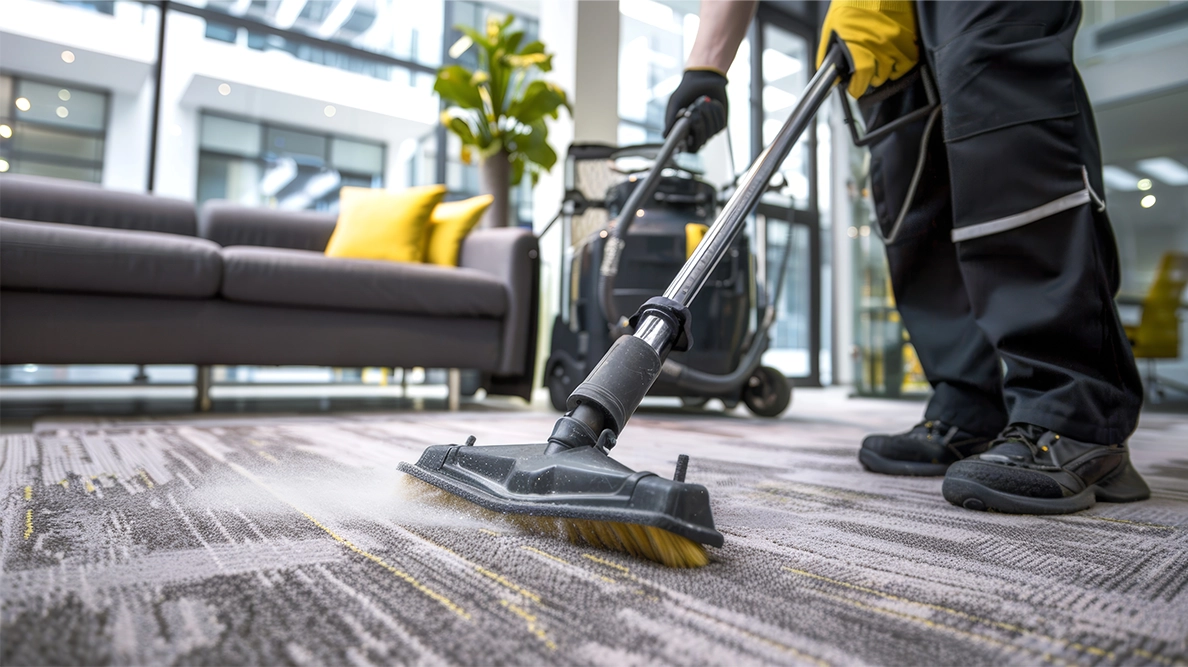
Maintaining clean and well-kept common areas is a critical responsibility for property managers overseeing condominium communities. Entrances, hallways, lobbies, elevators, stairwells, and shared exterior areas are used daily by residents, visitors, and service personnel. Without structured cleaning routines, these spaces can quickly deteriorate, leading to safety hazards, hygiene concerns, and resident complaints.
Common area cleaning is not a one-time activity; it requires planned weekly, monthly, and seasonal schedules that account for the property’s size, resident traffic, and environmental factors. By implementing a clear cleaning plan, property managers can ensure that all shared areas remain safe, presentable, and fully functional throughout the year. Effective scheduling also helps reduce operational oversight, streamline maintenance workflows, and maintain a high standard of care that supports resident satisfaction and property value.
Weekly Cleaning Standards
Weekly cleaning focuses on maintaining high-traffic areas and frequently used spaces to prevent the accumulation of dirt, debris, and minor hazards. Proper weekly routines ensure that residents enjoy safe, clean, and comfortable environments.
Typical weekly tasks include:
- Hallways, corridors, and stairwells: Vacuuming or sweeping, mopping, and disinfecting high-touch surfaces to prevent slip hazards and maintain hygiene.
- Elevators and entrance points: Cleaning floors, touchpoints, and glass surfaces to maintain a polished, welcoming appearance.
- Lobby and reception areas: Dusting furniture, wiping down counters, and removing visible debris for a professional look.
- Waste and recycling zones: Regular removal of trash, recycling, and debris to prevent odors and maintain sanitation.
Weekly attention to these areas prevents minor issues from becoming larger maintenance problems, ensures safe passage for residents, and reinforces a standard of care that reflects the property’s professionalism.
Monthly Cleaning Standards
Monthly cleaning targets areas that are less frequently addressed but critical to overall property upkeep. These tasks help preserve long-term cleanliness, extend the life of surfaces and materials, and address areas that accumulate dirt more slowly.
Examples of monthly cleaning tasks include:
- Walls, doors, and baseboards: Wiping and sanitizing surfaces to remove fingerprints, scuffs, and dust buildup.
- Light fixtures and vents: Dusting and cleaning to prevent buildup that can affect lighting quality and indoor air circulation.
- Common area windows and glass panels: Removing smudges and dirt to maintain visual appeal and natural lighting.
- Deep cleaning of stairwells and corridors: Includes detailed vacuuming or floor treatment to maintain appearance and safety.
Monthly routines support property hygiene standards beyond routine weekly cleaning and help property managers proactively address wear and tear in shared spaces before it becomes a noticeable issue.
Seasonal Cleaning Standards
Seasonal cleaning accounts for environmental changes and weather-related impacts, ensuring that the property remains safe and functional throughout the year. These tasks are typically scheduled at the start of each season and may include:
- Spring: Post-winter cleanup, including removal of salt, sand, and debris tracked into common areas, along with deep cleaning of floors and exterior spaces.
- Summer: Increased attention to outdoor shared areas, landscaping debris, and high-use recreational spaces.
- Fall: Preparation for winter by clearing leaves, cleaning gutters, and inspecting walkways and entrances for ice-prone areas.
- Winter: Additional attention to snow and ice tracking in entrances, hallways, and lobbies, combined with sanitizing high-touch surfaces frequently used during cold and flu season.
Seasonal cleaning ensures long-term property maintenance, reduces slip-and-fall hazards, and keeps both indoor and outdoor common areas functional and safe for all residents.
Scheduling Recommendations
Property managers should implement a tiered schedule:
- Weekly: High-traffic areas, touchpoints, and waste zones.
- Monthly: Less-visible surfaces, detailed cleaning of walls, fixtures, and deep-floor treatments.
- Seasonal: Adjust tasks to account for weather, environmental impacts, and high-use outdoor areas.
Structured schedules help maintain consistency, prevent oversights, and allow management to track performance without daily site supervision. Coordination with service providers ensures cleaning tasks are performed efficiently and safely, minimizing resident disruption.
Conclusion:
Adhering to structured weekly, monthly, and seasonal common area cleaning standards is essential for condo property managers. Proper scheduling and professional execution not only enhance safety and hygiene but also improve resident satisfaction, preserve property value, and streamline operations. By prioritizing high-traffic areas, adjusting tasks according to season, and coordinating with experienced service providers, property managers can maintain safe, clean, and well-functioning shared spaces throughout the year.