
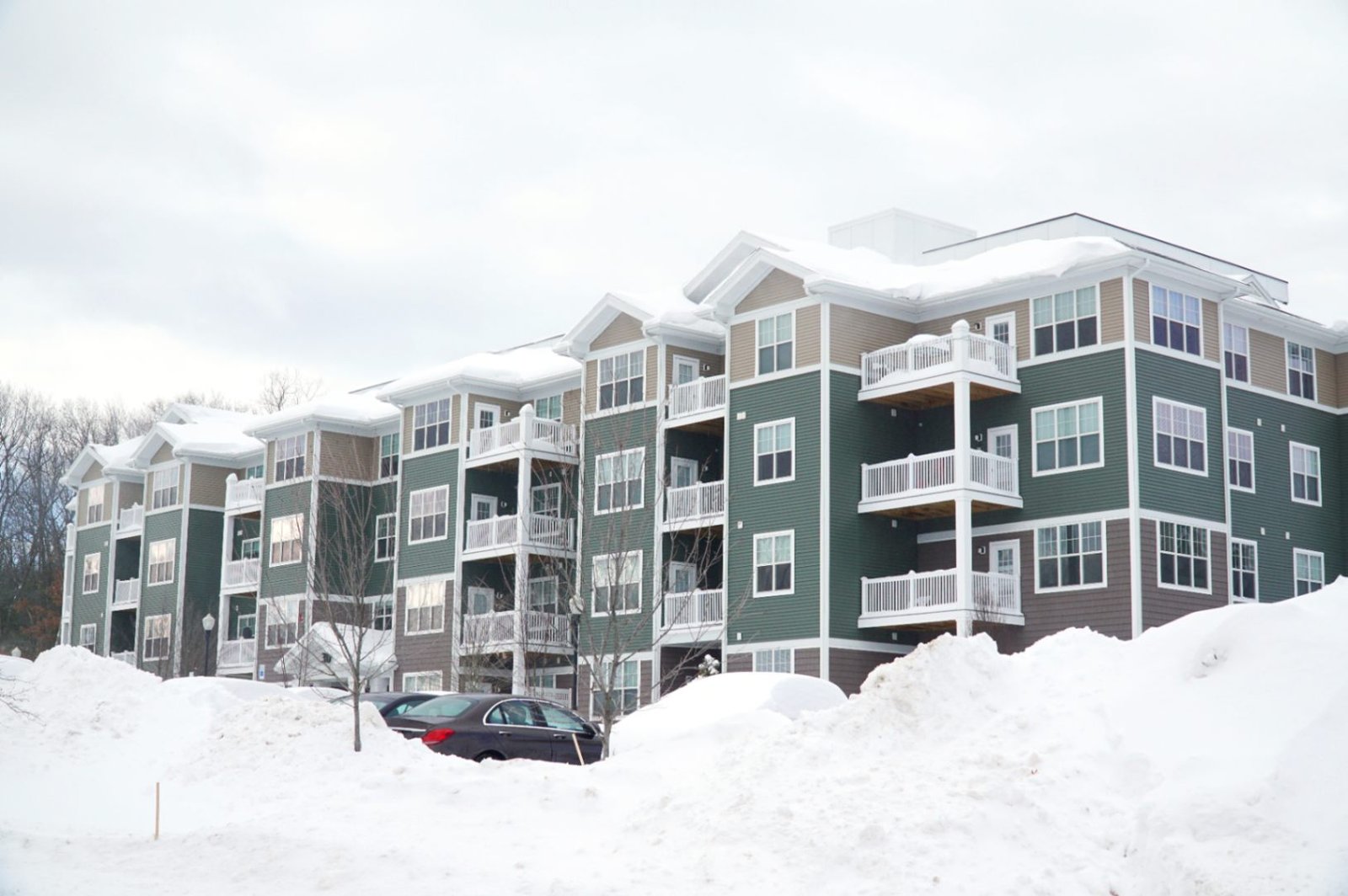
Snow and ice accumulation can create serious safety and operational challenges for condominium communities. Walkways, entrances, ramps, staircases, parking areas, and other shared spaces can quickly become hazardous without proactive maintenance. Property managers play a critical role in ensuring these areas remain safe, accessible, and fully operational for residents, visitors, and service personnel.
Condo snow removal is not just a reactive task—it requires strategic planning, scheduled operations, and coordination with professional service providers. Proper management reduces safety risks, protects property value, enhances resident satisfaction, and supports smooth day-to-day operations. By understanding which areas require priority attention, when snow removal should occur, and how services should be executed, property managers can ensure that all shared spaces are prepared for winter conditions, while minimizing operational risks and liability.
Why Condo Snow Removal Matters
Winter conditions in condo communities pose unique challenges. Heavy snow, ice formation, and repeated freeze-thaw cycles can quickly create unsafe conditions in high-traffic areas. Properly managed condo snow removal ensures safe access, reduces accidents, and minimizes operational disruptions.
Without structured snow removal, shared areas such as entrances, walkways, ramps, and parking zones can accumulate ice and snow, leading to:
- Increased risk of slip-and-fall accidents
- Vehicle access issues in partially cleared parking lots
- Safety hazards on staircases, ramps, and secondary access points
- Resident dissatisfaction and repeated complaints
Proactive snow removal allows property managers to maintain compliance, safety, and operational efficiency, ensuring a secure environment for all users.
Key Condo Snow Removal Areas and Recommended Actions
Property managers should focus on priority zones, high-traffic areas, and locations prone to winter hazards. Recommended actions include:
Entrances and Lobbies: First points of contact for residents and visitors. Snow and ice should be cleared immediately after a storm, and areas should be monitored for refreeze. This ensures resident safety and positive first impressions.
Walkways and Sidewalks: High-traffic areas require frequent clearing to prevent accidents. Snow removal should include de-icing and monitoring drainage, reducing slip hazards during freeze-thaw cycles.
Ramps, Stairs, and Accessibility Zones: Ensures compliance with accessibility standards and prevents injuries. Service should occur as soon as snowfall ends, with ongoing checks during icy conditions.
Parking Lots and Drop-Off Areas: Vehicle access must remain safe. Snow should be removed before peak resident use, and ice-melting products applied to reduce hazards.
Secondary Access Points: Side doors, service entrances, and emergency exits must be accessible. Clear these areas after primary zones to maintain full access throughout the property.
Follow-Up Monitoring: Ice can form after initial clearing. Midday and evening inspections during extended freezing conditions ensure all areas remain safe and fully cleared.
Scheduling Condo Snow Removal
Proper scheduling ensures safety, efficiency, and compliance:
- Immediate Response: Priority zones should be cleared immediately after snowfall.
- Ongoing Monitoring: Crews should continuously monitor accumulation during prolonged storms.
- Post-Storm Follow-Up: Re-inspect cleared areas to remove refreeze or drifted snow.
- Seasonal Planning: Adjust frequency and coverage based on winter severity, resident traffic, and property layout.
A structured schedule allows property managers to maintain oversight without constant on-site supervision, while ensuring high safety standards throughout the winter.
Choosing a Snow Removal Partner
Selecting a capable provider is essential for reliable winter management. Property managers should evaluate vendors based on:
- Experience with multi-building or high-density properties
- Ability to handle multiple snow events and priority zones efficiently
- Clear communication and rapid response to issues
- Accurate reporting and documentation of completed work
A dependable partner ensures consistent, proactive condo snow removal, reducing risk and improving resident satisfaction.
Condo Snow Removal Process
A structured process ensures effective winter management:
- Pre-Winter Planning: Map priority areas, assign responsibilities, and schedule equipment to respond immediately during snow events.
- Active Snow Event Response: Clear walkways, entrances, ramps, stairs, and parking areas; monitor ice formation continuously.
- Follow-Up Monitoring: Inspect all areas for refreeze, tracked snow, or problem spots, and deploy additional crews as needed.
- Season-End Review: Evaluate service efficiency, identify recurrent challenges, and adjust plans for the next winter.
Conclusion:
Properly executed condo snow removal is essential to ensure safety, accessibility, and functionality in shared spaces. By prioritizing high-traffic areas, maintaining structured schedules, and partnering with experienced service providers, property managers can reduce liability, enhance resident satisfaction, and maintain operational efficiency throughout the winter season. Effective snow management is not only a necessity—it is a strategic investment in safety, compliance, and property value.